





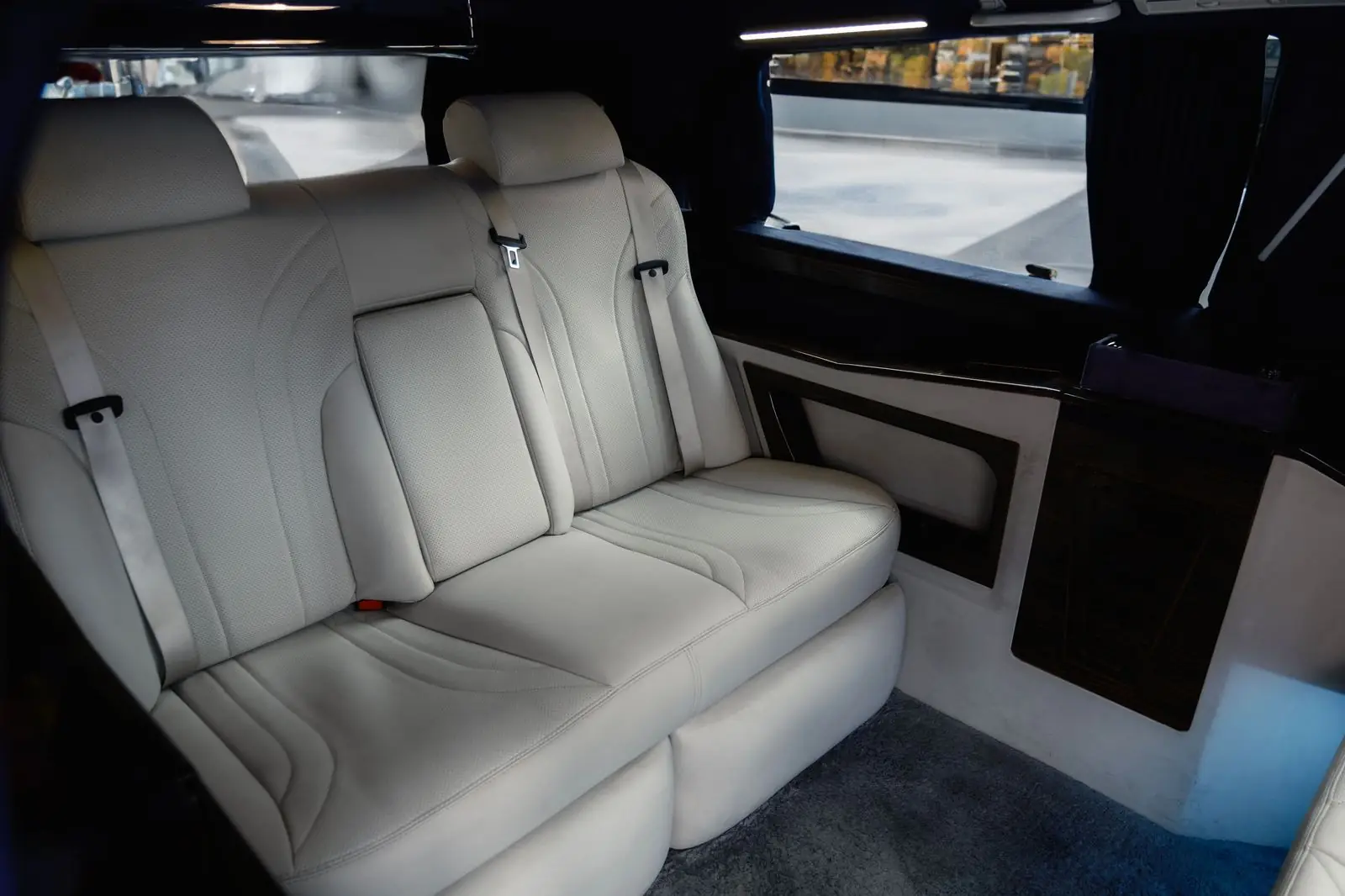

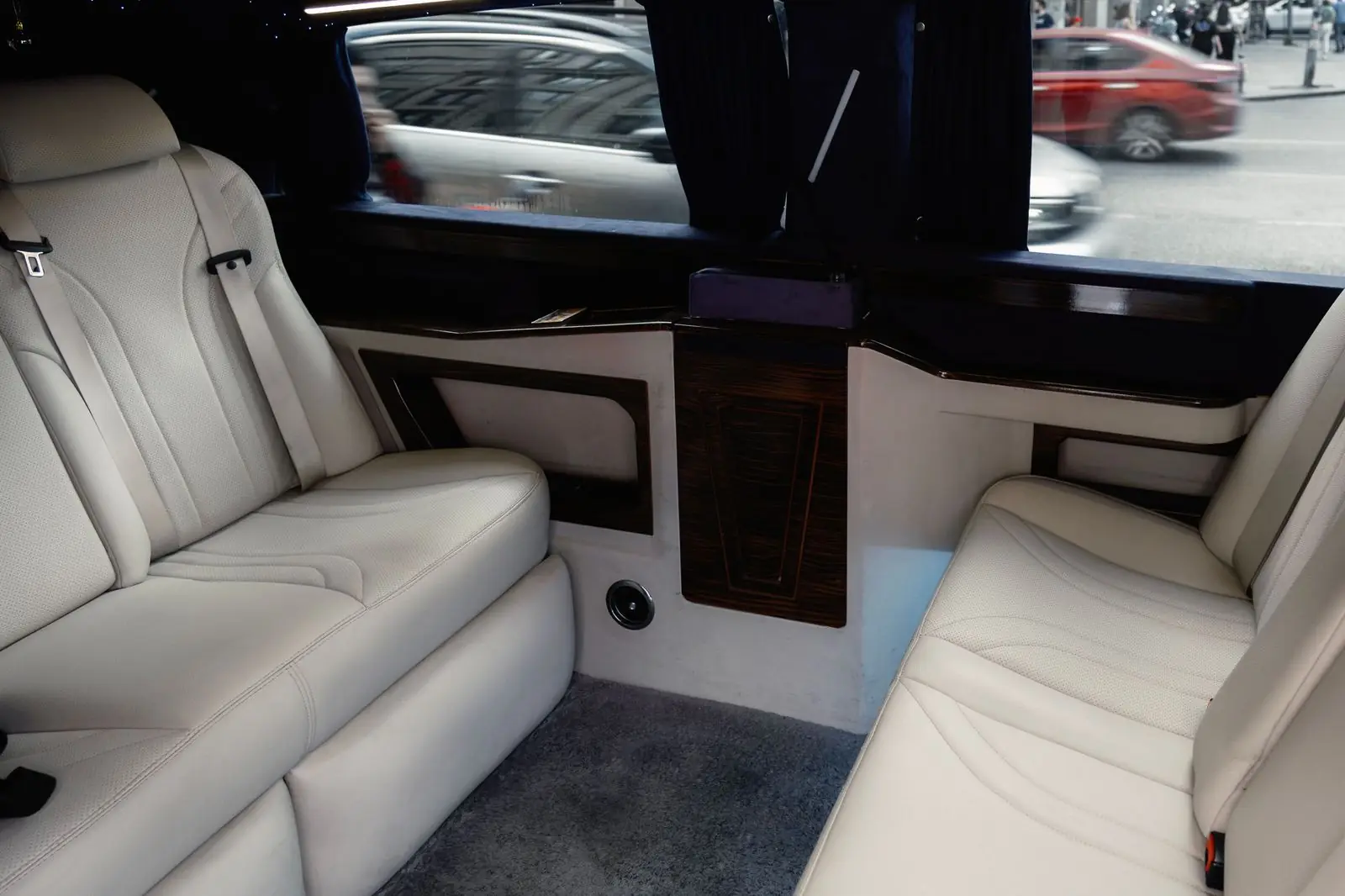











An employee shuttle service from us is not the cheapest way to move a large daily workforce: a contracted bus operator, Durham Region Transit, GO and car-pool programmes cost far less per seat. A chauffeured shuttle fits small crews, shift changes outside transit hours, storm days, contract technicians and temporary sites. For those runs, book an employee shuttle in Durham at a fixed fare per trip.
When does an employee shuttle service make sense in Durham?
When the riders are few, the hours are awkward or the need is temporary. A plant along the 401 with a handful of people on an early shift, a warehouse taking on contract staff for a season, technicians flown in for two weeks of commissioning, a care facility whose overnight staff finish after the buses thin out: these are shuttle problems, not bus-contract problems. The test is simple. If you would fill a coach every day for a year, call a bus company. If you need eight seats at 5:30 a.m. for a month, book a Sprinter run on our engine.
Which shifts are hardest to cover with transit?
The edges of the day. A 6 a.m. start means leaving home before 5:30, and a 10 p.m. finish means getting home near midnight; both fall where many routes run less often. Weekend nights are harder still. Durham Region Transit publishes its own routes and times, which change, so check them against your actual shift pattern rather than assuming. Sites away from a main road are the hardest of all: the last kilometre from a bus stop along a dark industrial road in January is where attendance falls apart.
What does a shuttle run cost per trip and per seat?
Planning ranges, all-in with HST shown separately. Local runs are within about 10 km of downtown Oshawa, 10–15 minutes; per-seat figures assume every seat is filled.
| Run | Vehicle | Distance and time | Per run | Per seat if full |
|---|---|---|---|---|
| GO station to a site in Oshawa or Courtice | Executive Sprinter, up to 14 | up to 10 km, 10–15 min | $540–620 | about $39–44 |
| Same run, smaller crew | Business SUV, 5 | up to 10 km, 10–15 min | $190–220 | about $38–44 |
| Oshawa to a Pickering site | Business sedan, 3 | 33 km, 25–35 min | $200–230 | about $67–77 |
| Three-hour block covering several short runs | Executive Sprinter by the hour | as directed | $1,425–1,650 | depends on runs |
Read that honestly: a full SUV or Sprinter on a short run costs per head roughly what a shared taxi might, and far more than transit. It is worth paying when the shift would otherwise go unstaffed.
How does a two-week contract crew shuttle work?
Picture ten commissioning technicians at a hotel off the 401 in Whitby, working 7:00 to 5:30 at a site in Clarington. One Executive Sprinter leaves the hotel at 6:30 and brings everyone back at 5:45; on the two evenings when half the crew works late, a business SUV takes the early group home. The dispatcher sets the schedule once, the same chauffeur drives it where possible and the site lead texts dispatch when the end time moves. Their Pearson arrivals are flight-tracked transfers, and a technician who returns for a second phase can book the Pearson round-trip package for both legs.

How do you plan the first and last mile from a GO station?
Many Durham workers can reach a station on GO's Lakeshore East line; the problem is the few kilometres between the platform and the gate. A shuttle timed to the trains solves it: the car meets a specific arrival at Oshawa, Whitby, Ajax or Pickering GO and runs to the site, then reverses at shift end. Station pickups are train-tracked, so a late train does not strand anyone. Check times on GO Transit, as we do not quote schedules, and see our Oshawa GO and VIA station page for where cars stop.
What happens on a storm day when car pools collapse?
Lake Ontario snow squalls can slow the 401 through Durham and make some side roads worse, and the car pool that works all year falls apart when two drivers stay home. A storm-day plan is a standing instruction: when the forecast on Environment Canada's weather site crosses a threshold you choose, a business SUV or two covers the essential staff. Our business SUVs are four-wheel drive, and every vehicle runs on winter tires from November to April. Set the plan up in October, not on the morning of the first squall.
How do overnight and early-morning staff get home safely?
A tired worker driving home at 7 a.m. after a night shift is a road-safety risk, and a staff member waiting at a bus stop at 11:30 p.m. is a personal-safety one. A pre-booked car fixes both: the chauffeur is outside the door at shift end, the rider is home in minutes and the employer knows each person arrived. For care homes and other overnight workplaces, a standing late-night pickup with first names on the schedule is the usual arrangement. Dispatch is live around the clock.
What does the dispatcher need to set up a recurring run?
- The site address and the exact door or gate for pickup and drop-off.
- Shift times, days and any rotation.
- Pickup points: a hotel, a GO station, a park-and-ride lot or homes.
- A roster with first names and mobile numbers, updated weekly.
- A site contact who can change times on the day.
- Reference codes for billing.
With those, each run is entered once and repeats until you change it.
Who is allowed to drive a shuttle van in Ontario?
It depends on the vehicle and the seats. The province's bus driver's licence page puts regular non-school buses of up to 24 seats, a 15-passenger van among them, under Class F, and anything larger under Class C. If you are thinking of handing a rented van to a staff member, check licensing and insurance first. Our chauffeurs drive our own vehicles; coaches for larger groups come from vetted partner operators.
What about accessibility and riders with mobility needs?
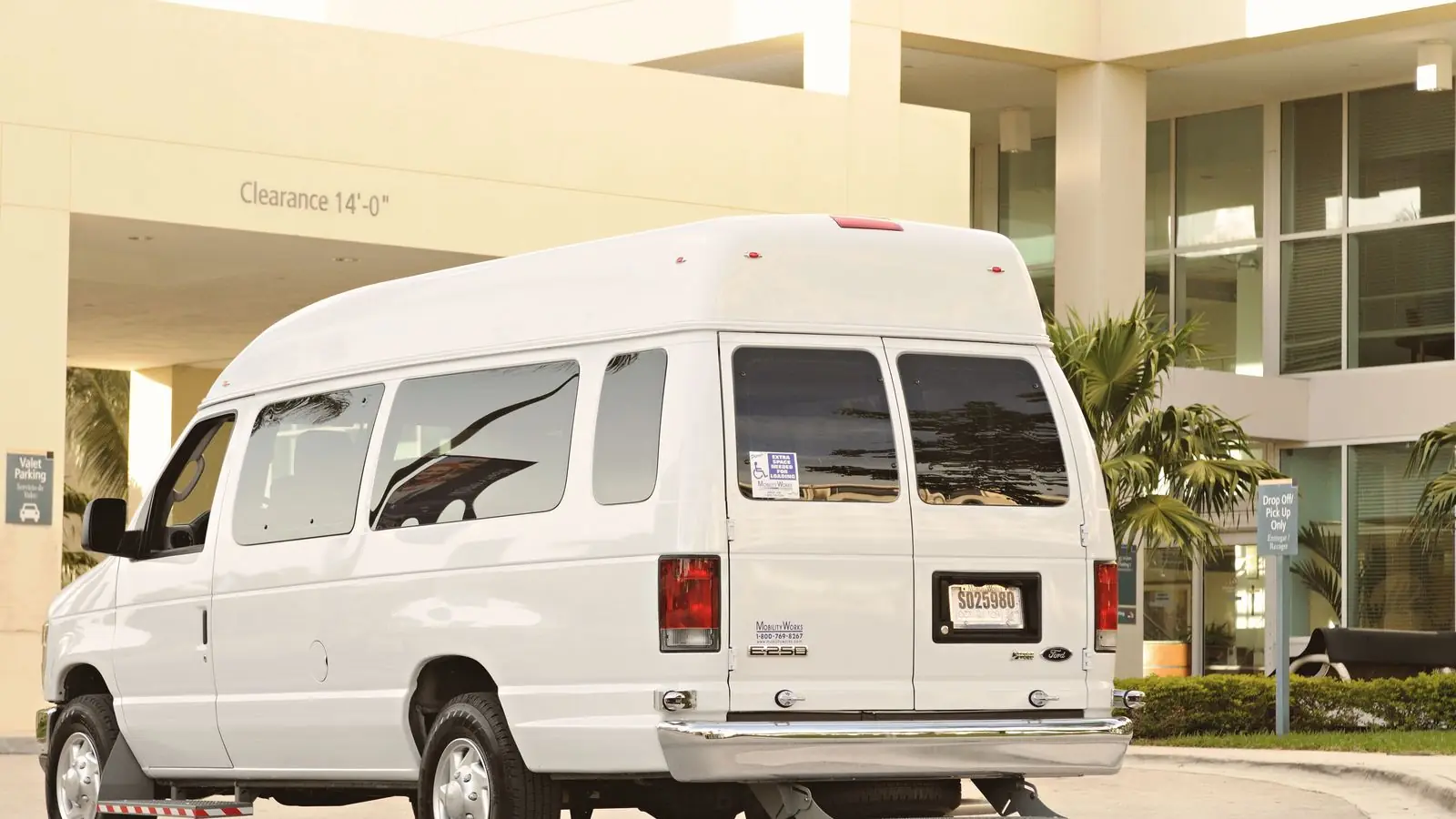
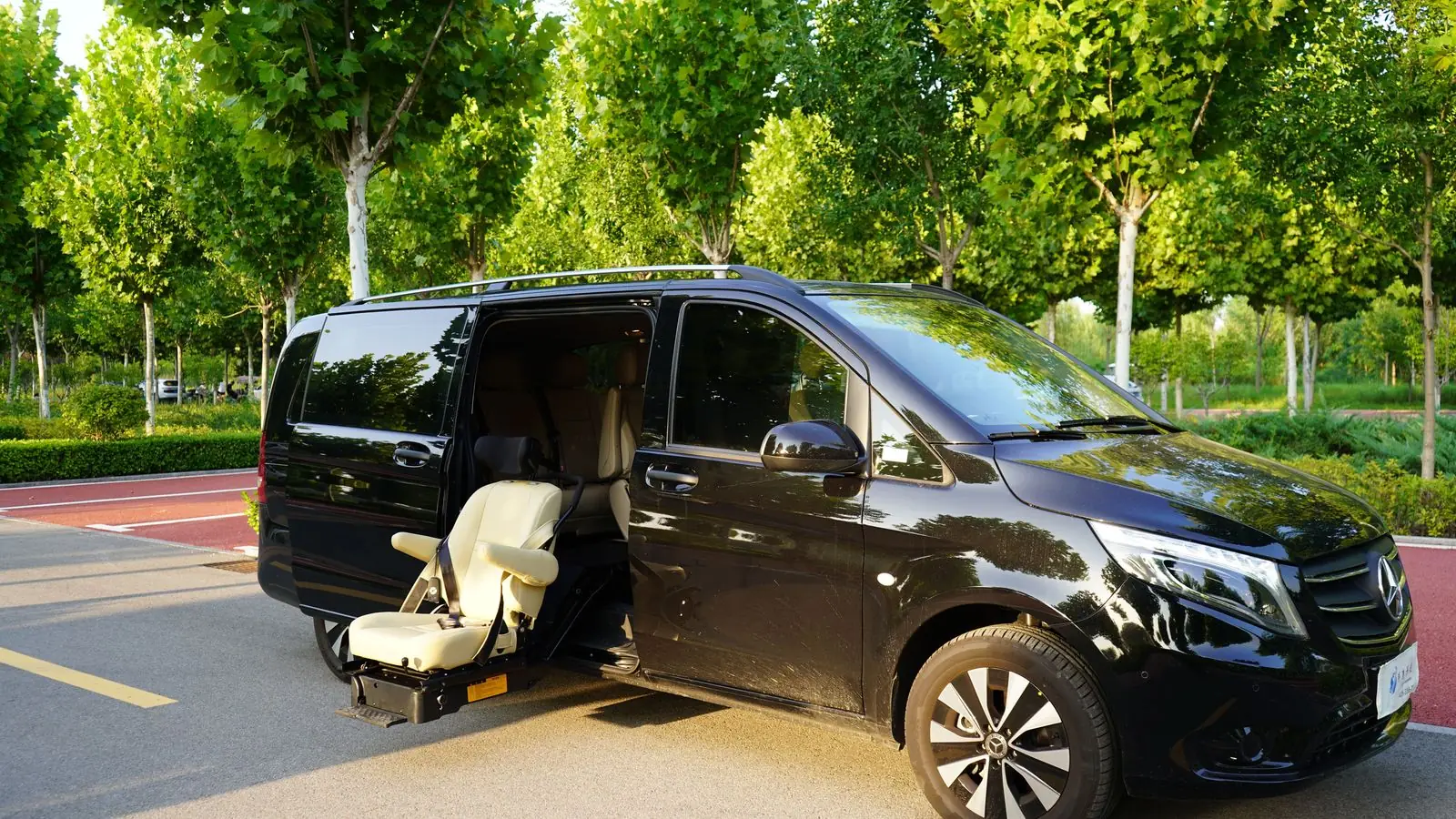
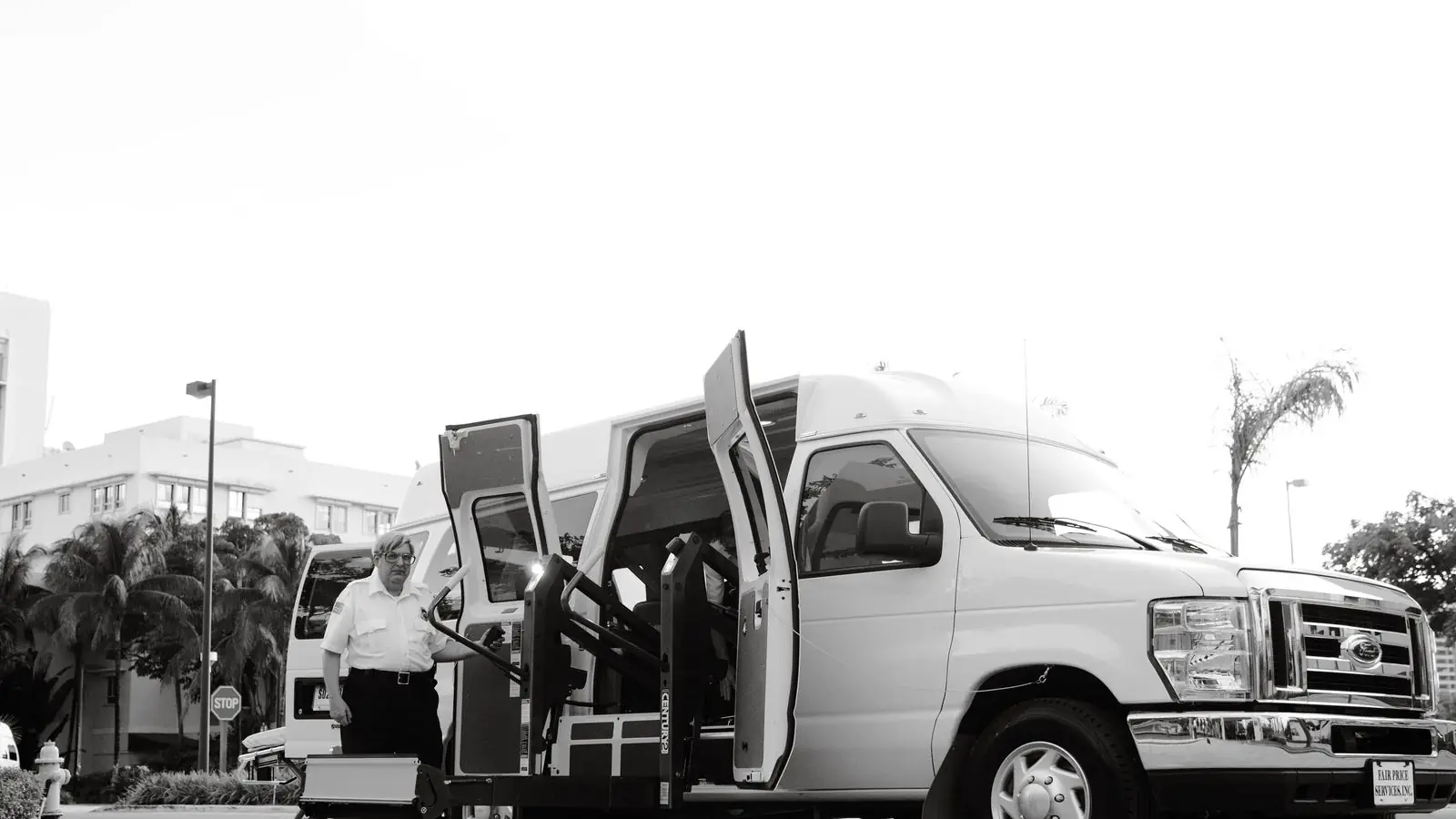
A wheelchair-accessible vehicle is available when booked ahead; tell us a rider's needs at setup so the right vehicle is on the schedule, not hunted for on the day. For riders with a walker or who cannot manage a high step, a luxury minivan's sliding doors are easier than a Sprinter's step. Service animals are welcome. Our post on wheelchair-accessible car service in Durham covers the details.

How are no-shows and roster changes handled?
Recurring runs follow the normal cancellation terms, counted back from each scheduled pickup: free beyond 72 hours, then 10 % inside 72 hours, 50 % inside 48 and the full fare inside 24 hours or for a no-show. In practice that means updating the roster by the Friday before the week it covers. A run with fewer riders than planned still runs, because the fare is per vehicle, not per seat. If a crew shrinks for good, move the run to a smaller vehicle.
What rules apply on board?
Seatbelts on whenever the vehicle is moving, as Ontario's Highway Traffic Act requires. No alcohol in our vehicles, including on the ride home from the holiday party. Riders board at the agreed points, so the run stays on time for everyone. Bottled water is in the car.
When should you hire a bus company instead?
When the numbers are big and steady. Forty or more riders, five days a week, for months, is work for a licensed bus operator with coaches, not a chauffeur service with Sprinters: the per-seat cost will be lower and the operator will keep spare vehicles. We are glad to say so, and partner coaches through our network can cover one-off days such as a staff event. For steady small runs, awkward hours and emergencies, we are the better fit.
How do you start a trial week?
Pick one shift and one pickup point, book a week of runs on the engine with the roster in the notes and see who uses it. After the week, adjust the vehicle and the times. Employers who move to a regular schedule often put it on a company account, which our post on corporate car accounts explains. Flights and hotels for staff arriving from elsewhere can go through our travel desk.