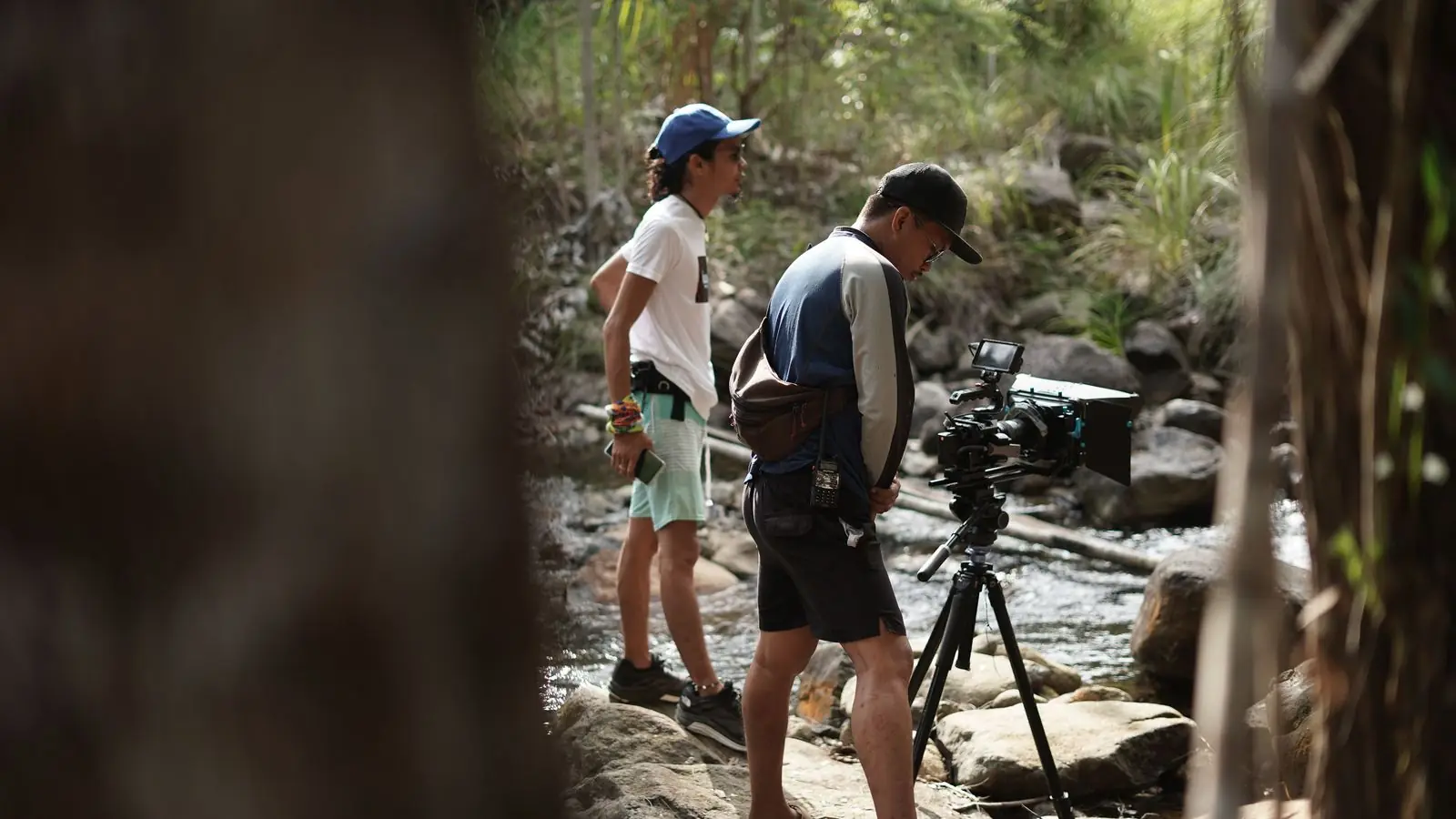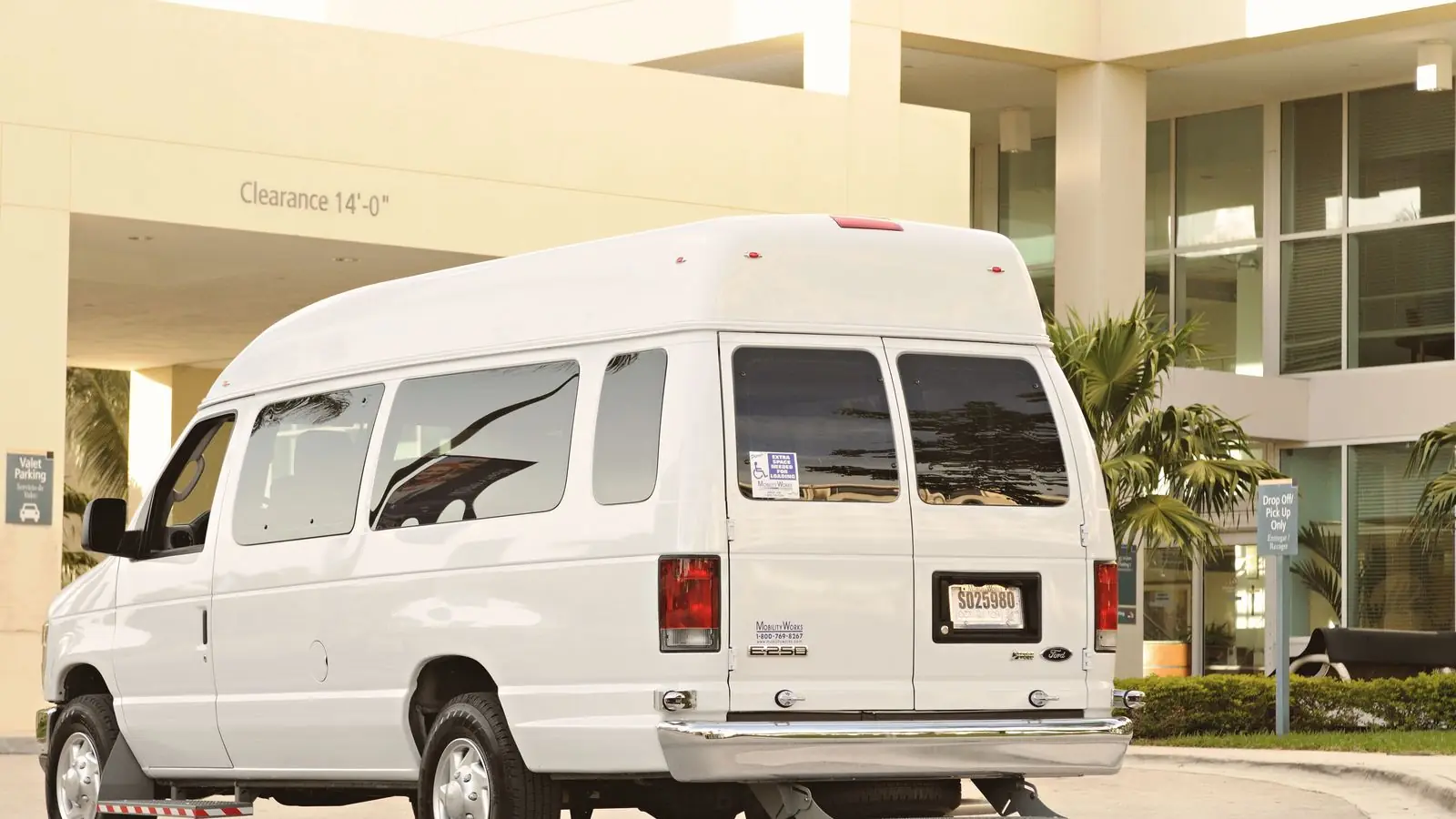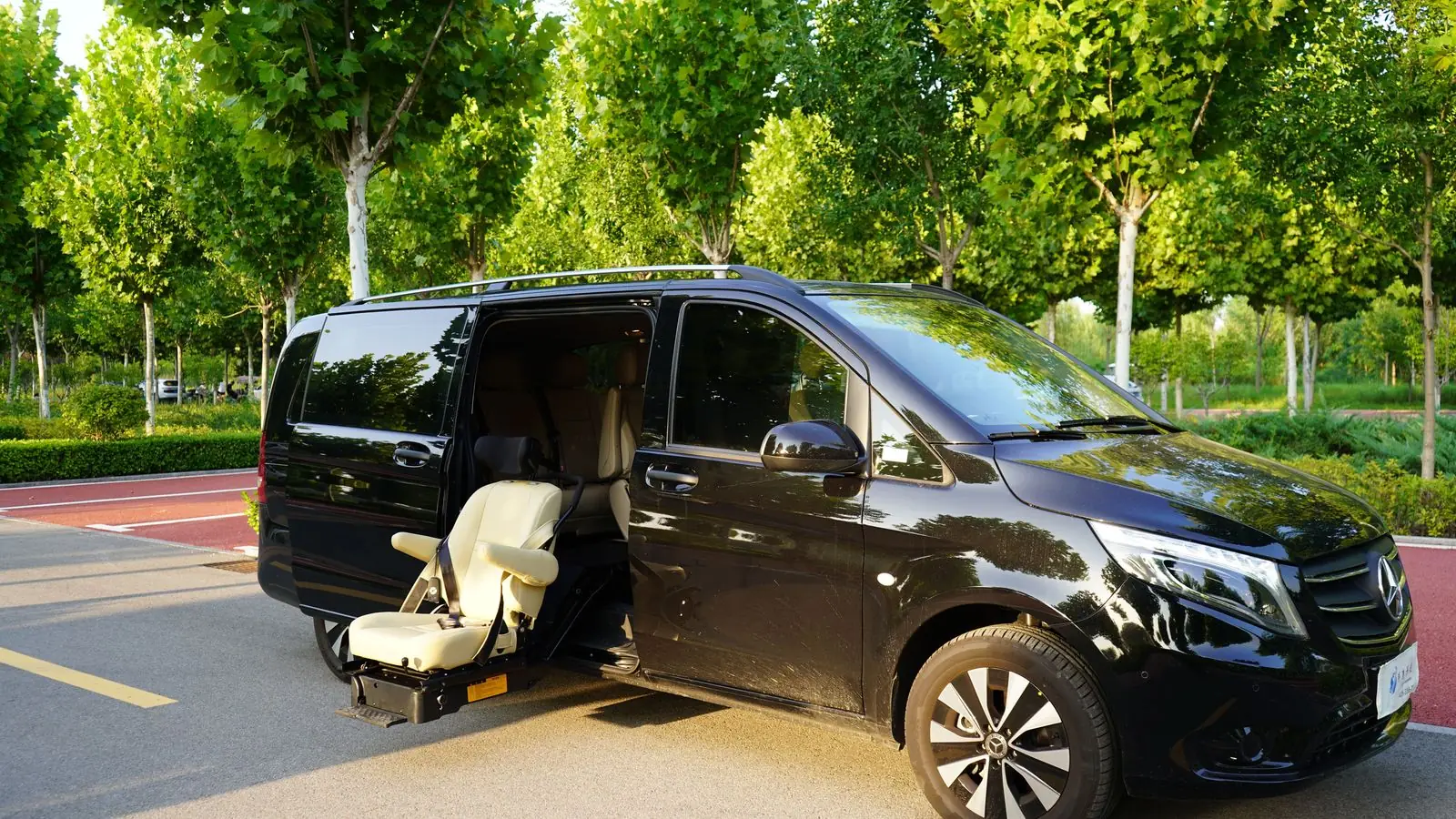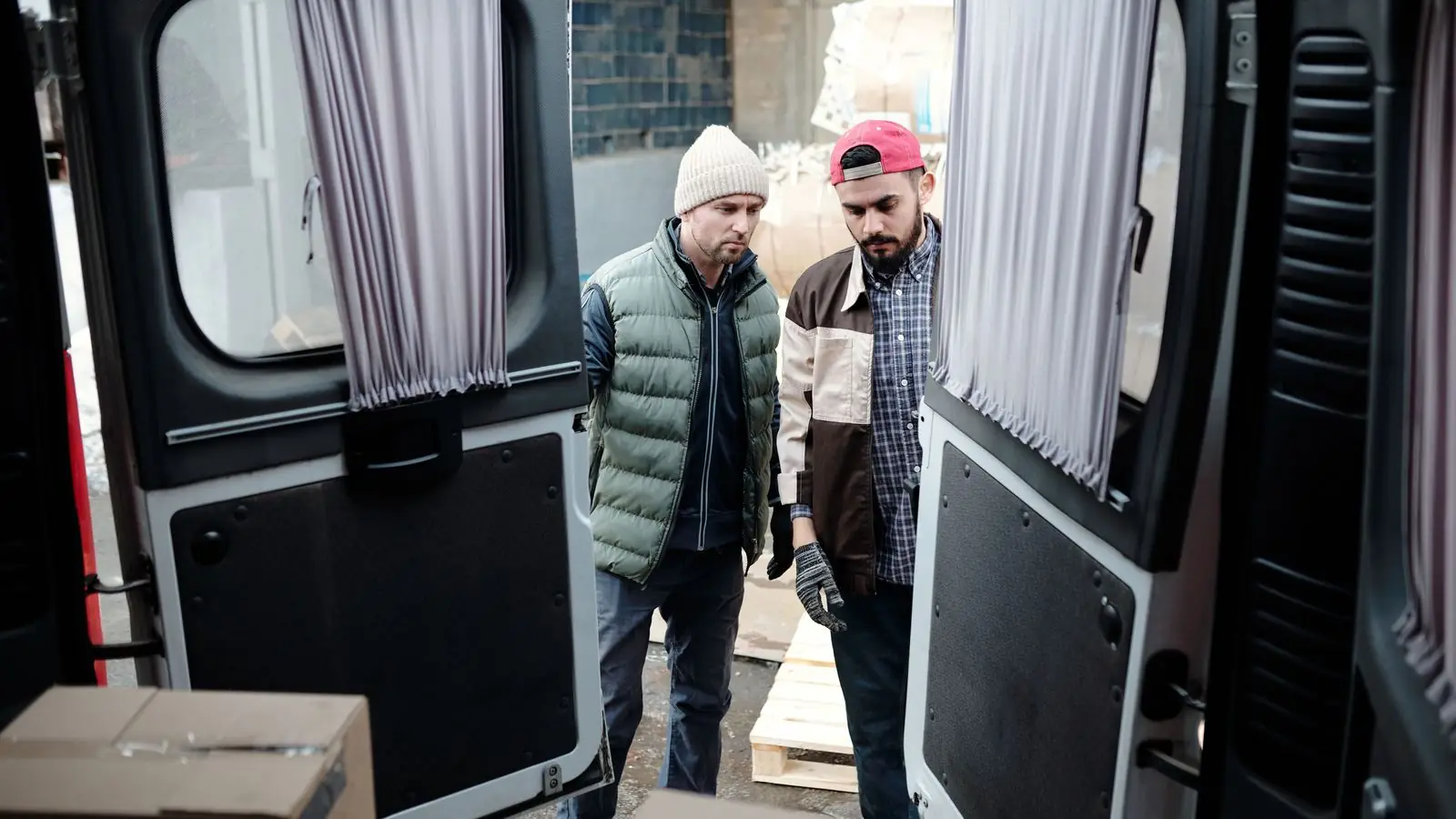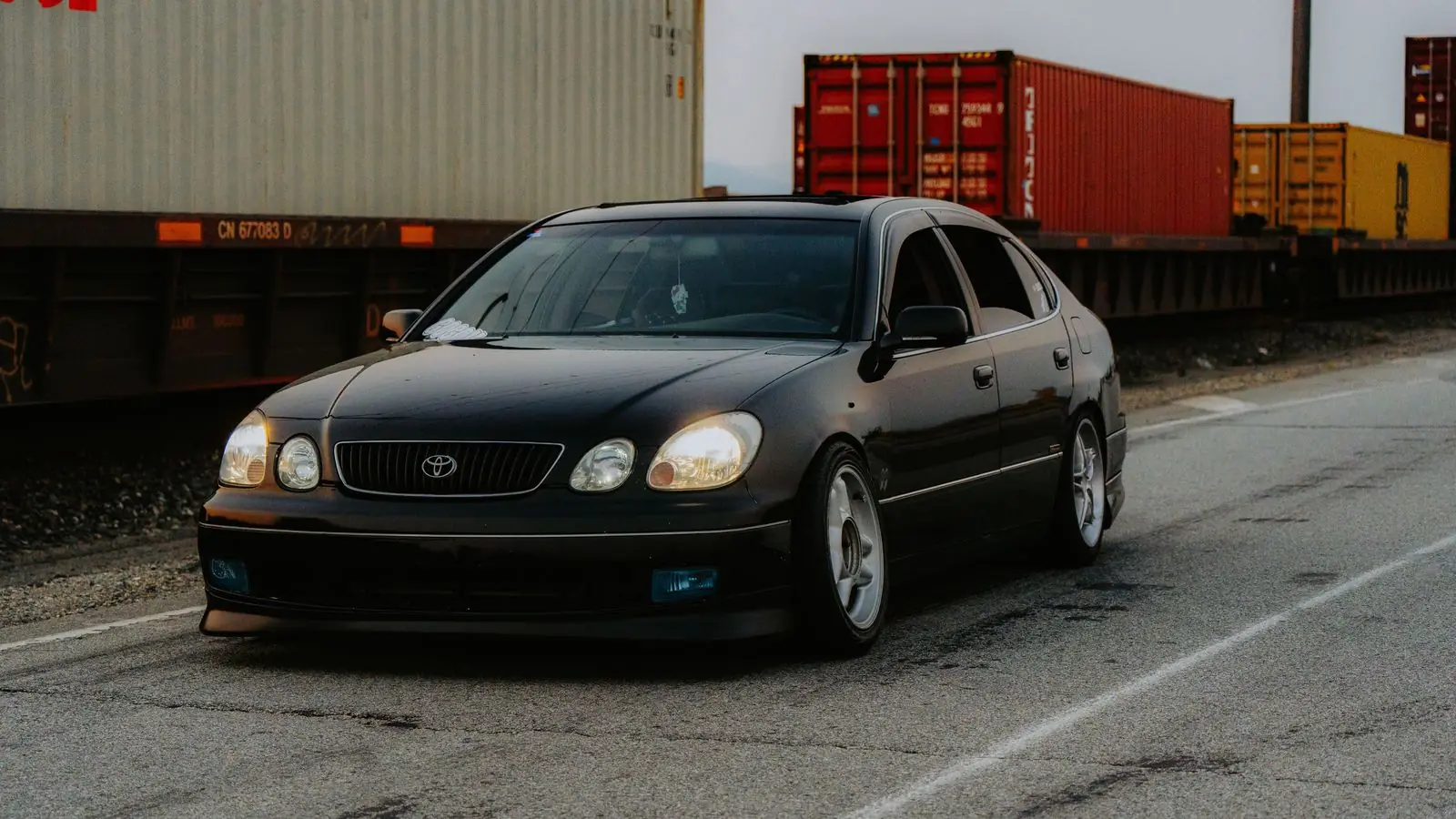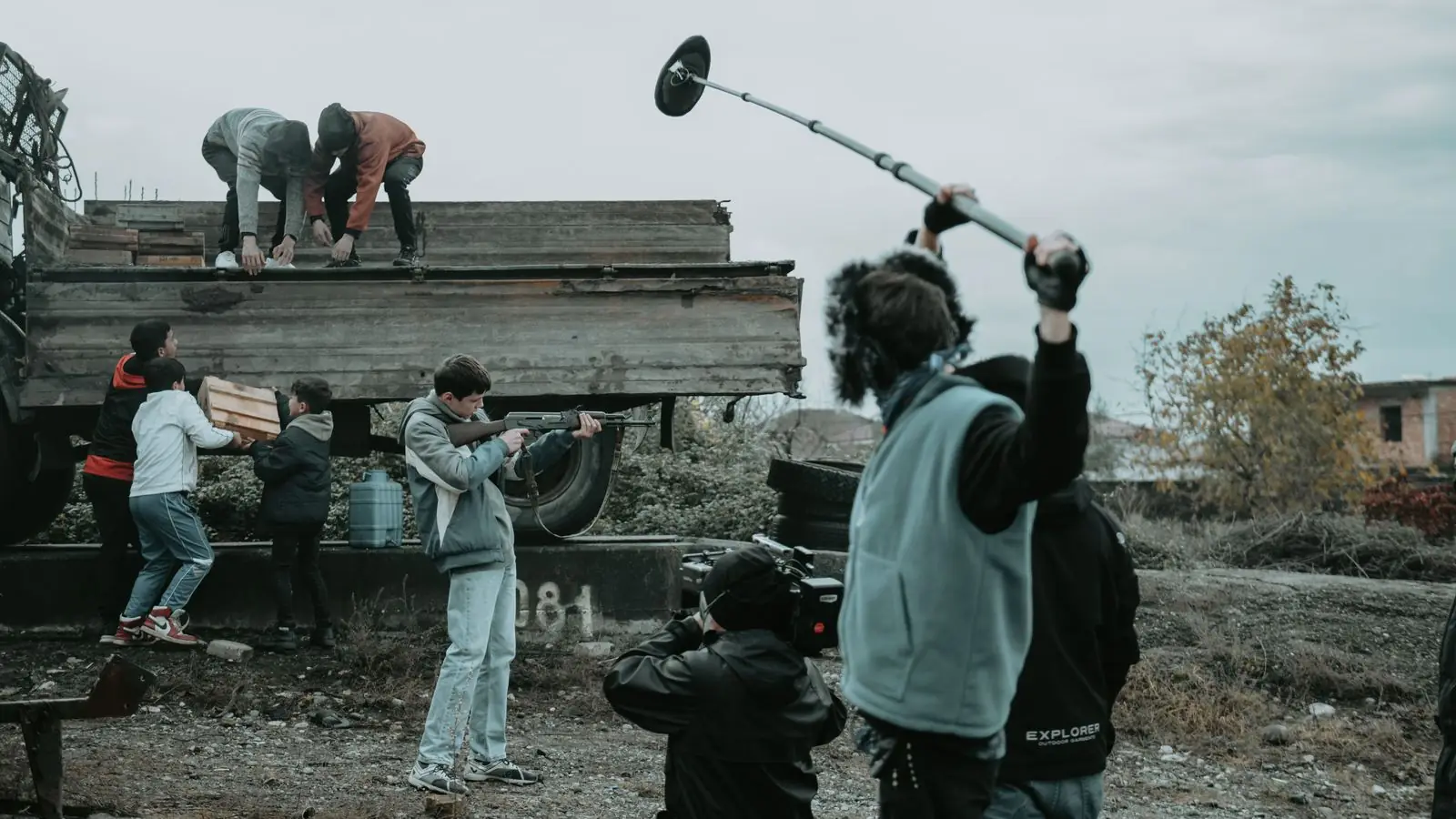
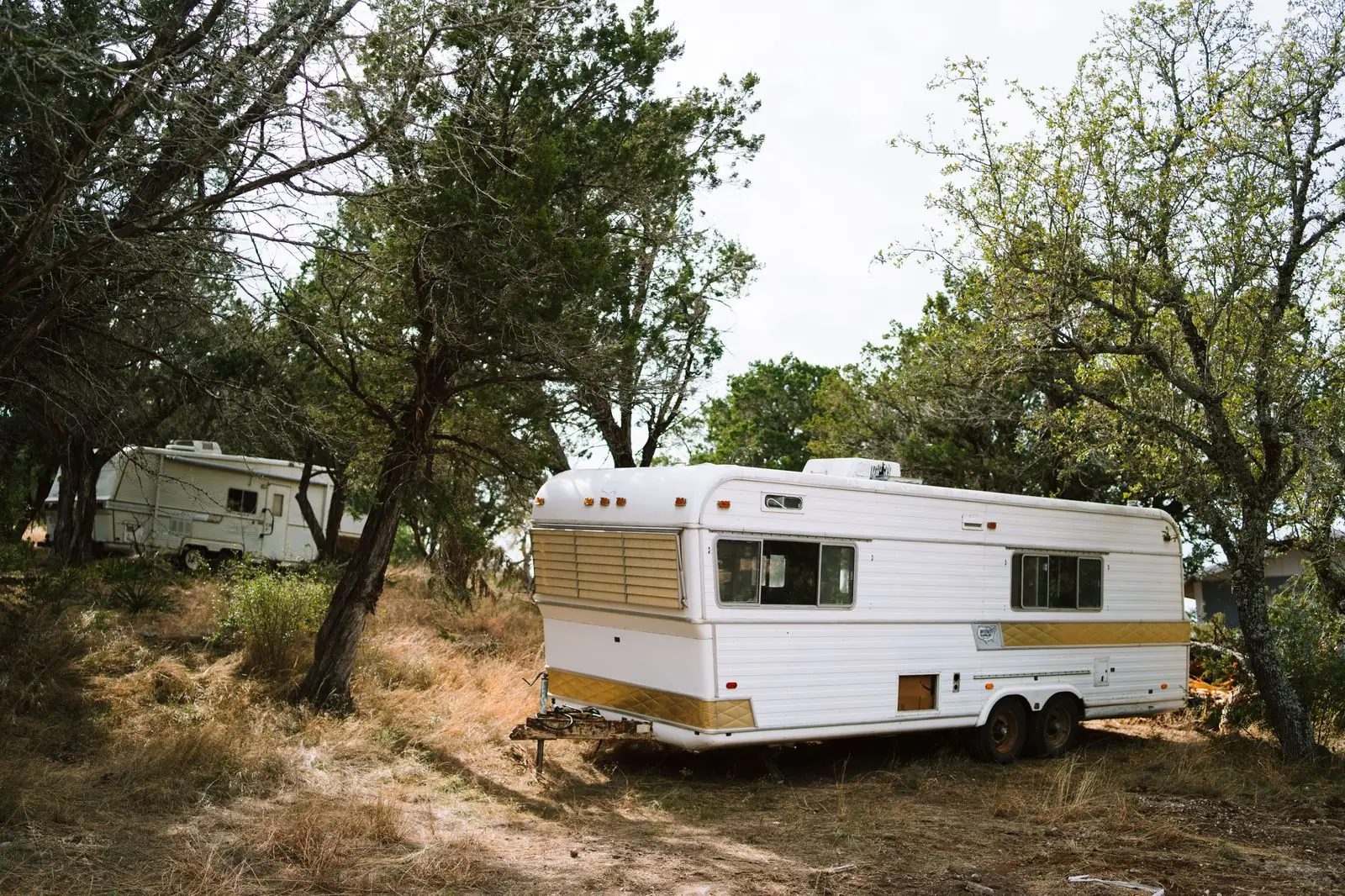
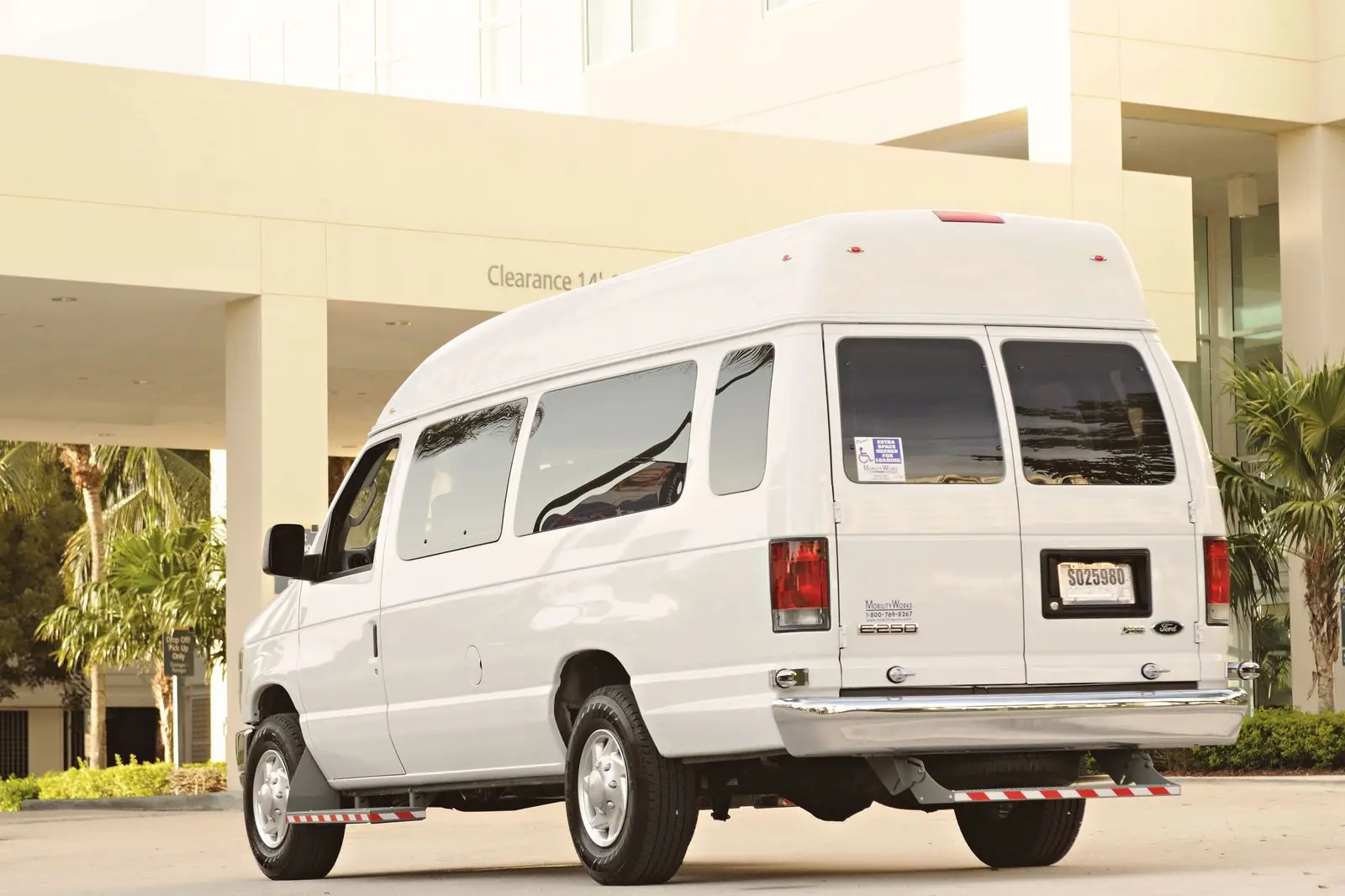


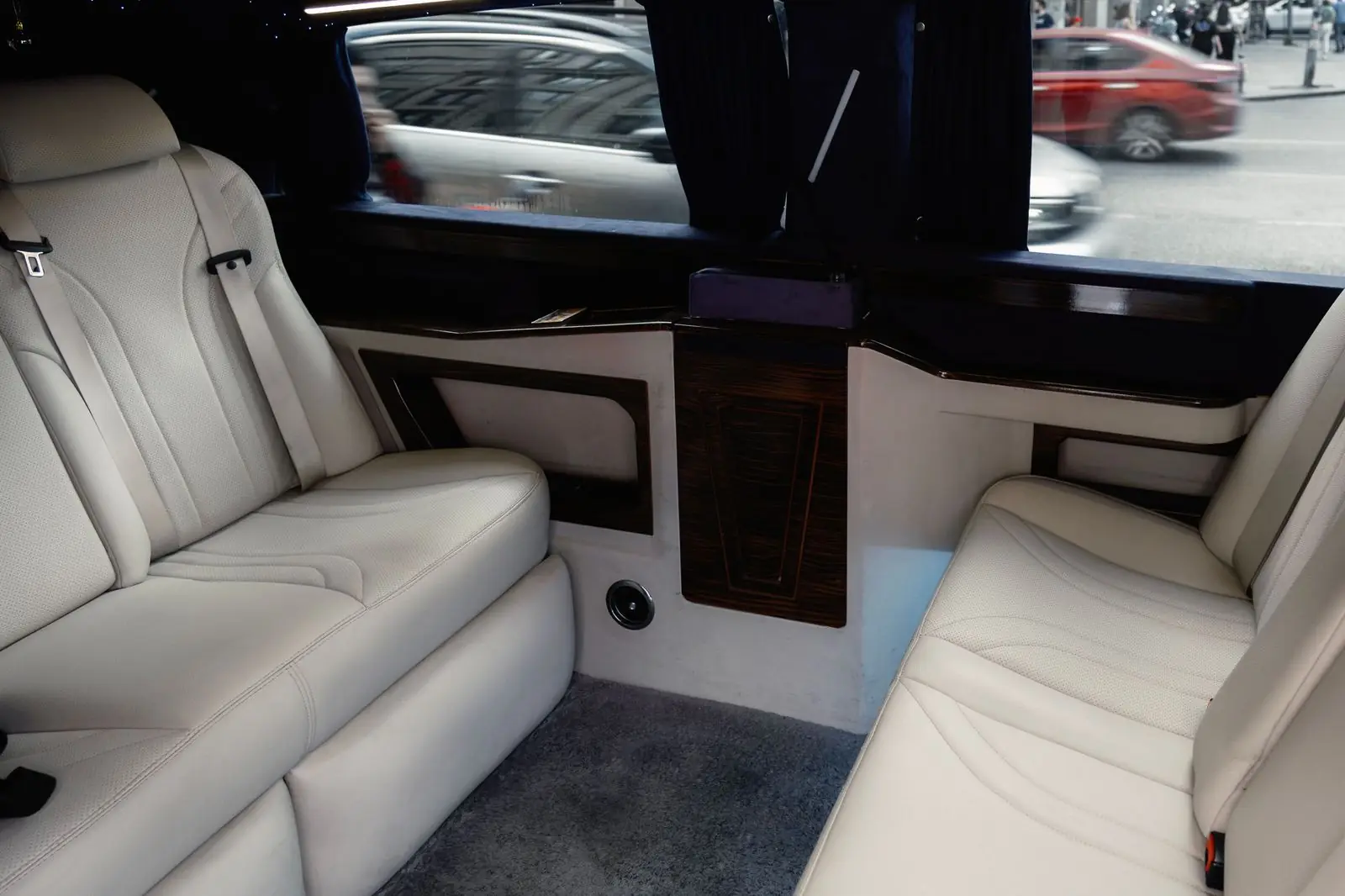
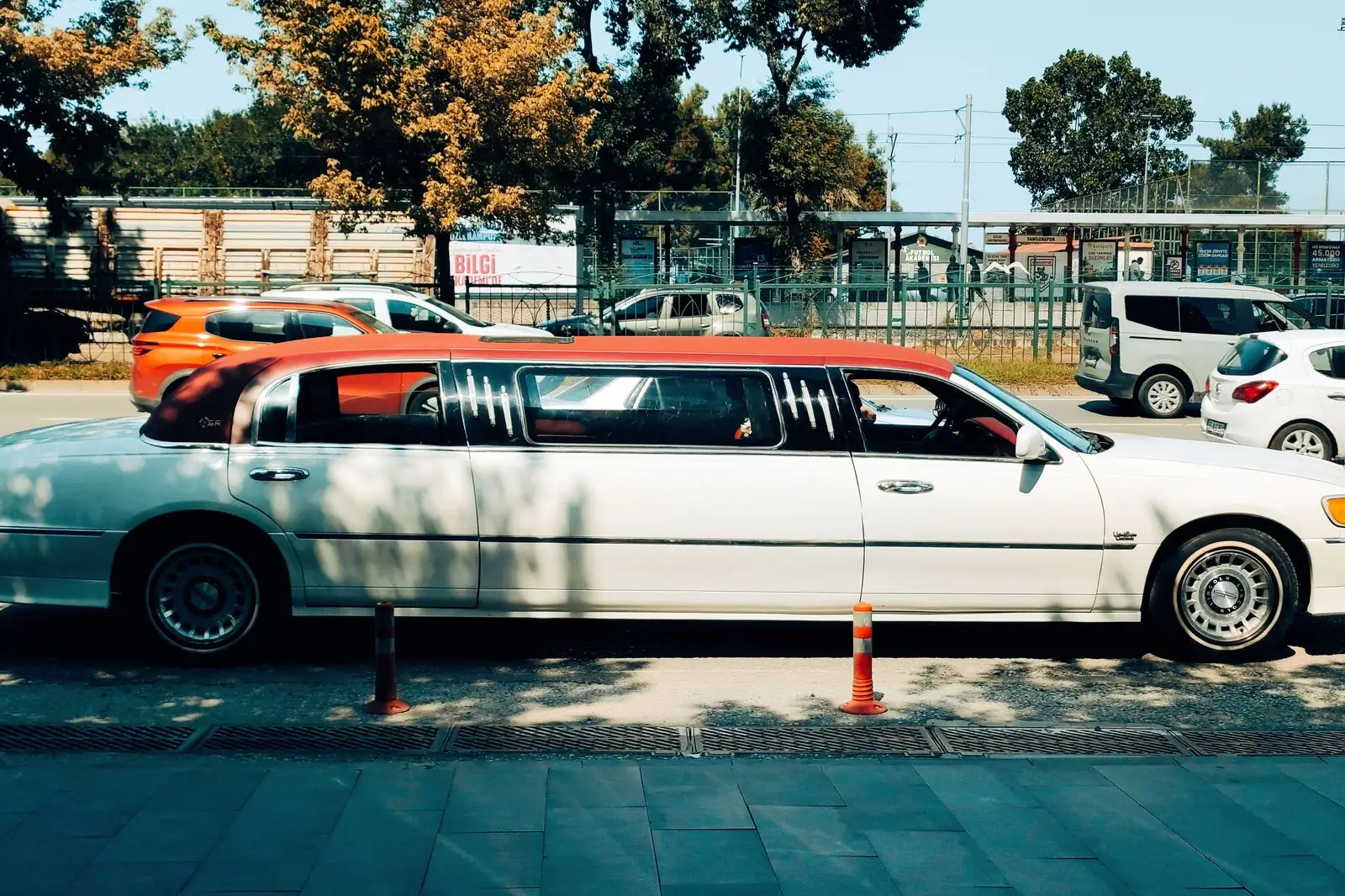




For most crew, filming in Durham Region means driving their own cars to a unit base, and a large production runs its own transport department with drivers. A chauffeur service fills the gaps: cast cars, airport and train runs for visiting crew, early calls, late wraps and overflow Sprinters on a heavy day. For those, book production transport in Durham at fixed fares or by the hour.
What transport does filming in Durham Region usually need?
Durham gives productions lakeshore parks, rural concession roads, older downtown streets and suburban crescents, all within reach of Toronto's crews. The transport needs follow a pattern: cast collected from hotels or homes and delivered to the trailers on time; visiting department heads met at Pearson, Billy Bishop or Union; crew moved between a parking lot and a set when street parking is tight; and everyone sent home safely after a long day. We cover the passenger side only. The work starts when the call sheet lands, and the car plan should be booked on our engine as soon as it does.
Who on a production books cars, and what do they need from us?
Usually the transport coordinator, the production coordinator or the assistant who handles travel. What they need is speed and a single contact: a car confirmed in minutes, a fare known before the purchase order is raised and a dispatcher who answers at 4 a.m. when a call time moves. What we need back is the call sheet or an extract of it: names, pickup addresses, call times, the unit base address and the set address if different.
What does a 14-hour shooting day look like for the cars?
An illustrative exterior day in Clarington with two cast members staying in Whitby:
- 5:30 Cast car leaves the hotel for a 6:00 makeup call at base.
- 6:15 A Sprinter runs crew from the parking lot to set.
- 12:30 One cast member is released and driven home to Toronto.
- 15:00 A visiting camera technician is collected from Oshawa GO.
- 19:30 Wrap: the Sprinter returns crew to parking, the cast car heads for the hotel.
Five vehicles' worth of work, two or three vehicles in practice, because the dispatcher strings the legs together.
How are talent cars different from crew runs?
Talent cars are about privacy and patience. The passenger may be learning lines, sleeping or on the phone with an agent, and the chauffeur keeps conversation to what they want. Pickups are timed to the call, not to the chauffeur's convenience, and the car waits if a fitting at the hotel runs over. A first-class sedan or an executive SUV is the usual choice for a lead. Nothing about the passenger or the production appears on anyone's social media.
What vehicles carry crew, and what do they cost?
Planning ranges, all-in with HST shown separately. Local runs are within about 10 km of downtown Oshawa, 10–15 minutes; hourly bookings start at three hours and then grow in half-hour steps.
| Vehicle | Seats / bags | Local one way (up to 10 km) | Per hour |
|---|---|---|---|
| Business sedan | 3 / 3 | $150–175 | $135–160 |
| Business SUV | 5 / 5 | $190–220 | $175–205 |
| Executive SUV | 6 / 6 | $280–320 | $225–265 |
| First-class sedan | 3 / 3 | $390–450 | $350–410 |
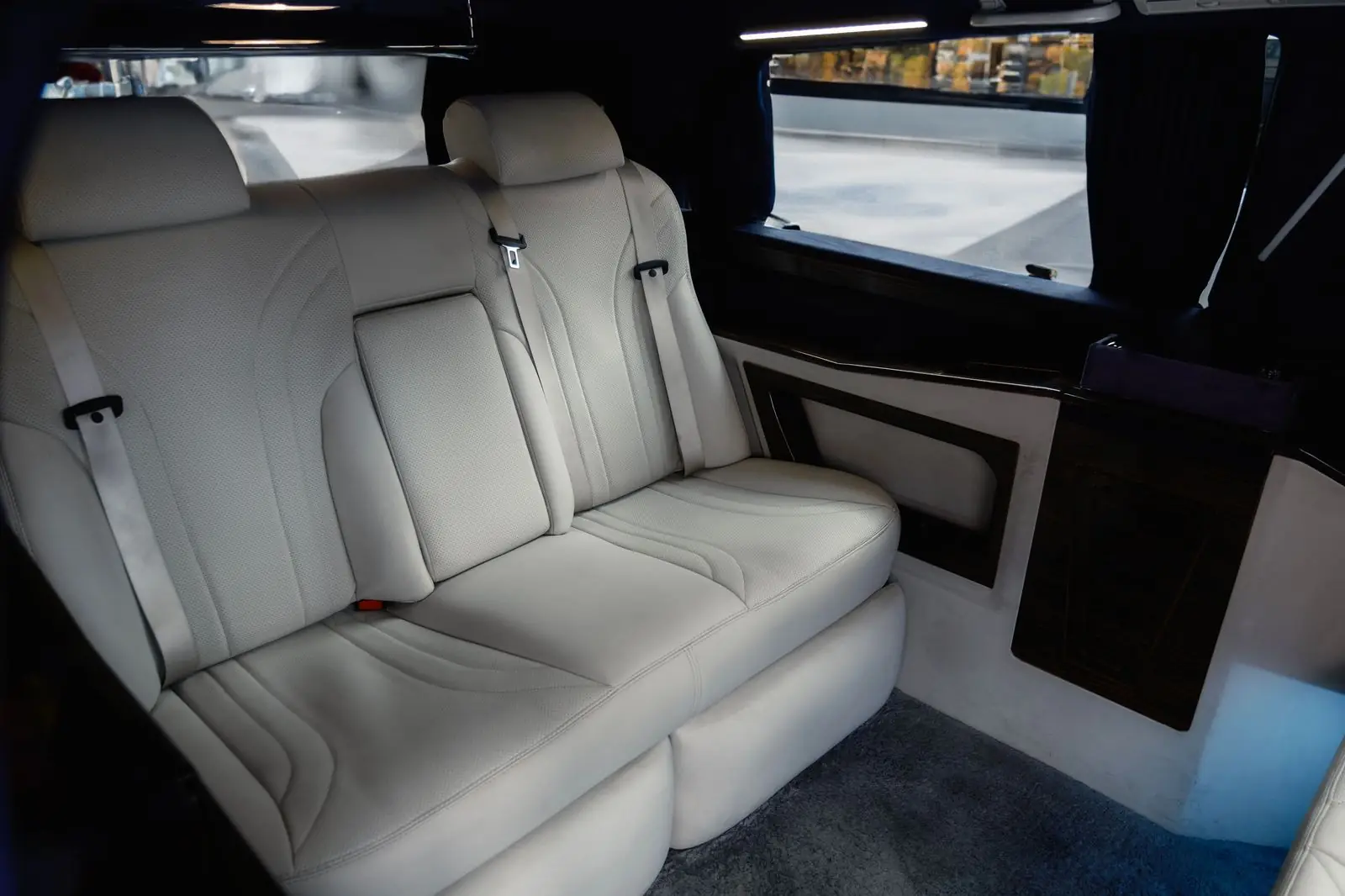
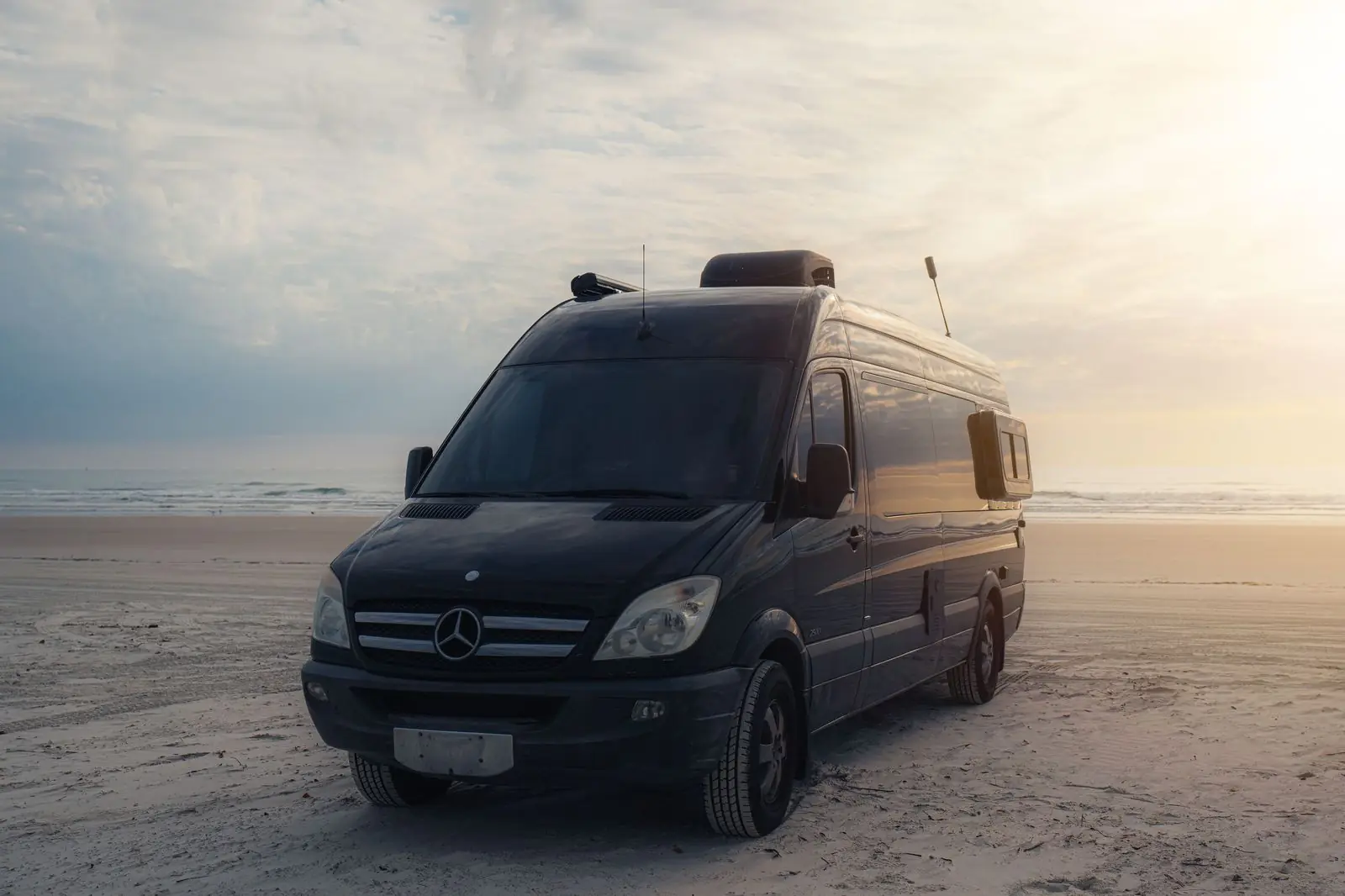
| Executive Sprinter | up to 14 | $540–620 | $475–550 |
Longer legs: Oshawa to Union Station is $320–370 by sedan (60 km, 50–75 minutes) and to Pearson $360–415 (about 85 km, 60–90 minutes). For a day of shuttling between base and set, hourly almost always beats a string of one-way fares.
How do early calls and late wraps affect the chauffeur?
They shape the whole job. A 5:00 a.m. pickup after a 9:00 p.m. wrap leaves little rest, so on very long days we arrange a second chauffeur at booking and the person driving the cast home at night is not the person who collected them before dawn. Ontario's distracted-driving rules apply to every driver, and ours do not take production calls at the wheel; updates go to dispatch, who passes them on.
What about base camp, unit parking and residential streets?
Production vehicles follow the location's permit conditions, and on residential streets that usually means tight parking and neighbours watching. Our cars drop and collect at the points the locations team names, hold away from set and never block a driveway or idle outside a house for an hour. A Sprinter shuttle between a crew lot and a residential set keeps dozens of personal cars off the street, which is often exactly what the permit asks for.
Who issues permits for filming in Oshawa and Durham?
Permits belong to the production, not to us, but knowing who to call helps the plan. The Oshawa Film Office assists with location scouting, film permit processing and municipal logistics, and the city says there is no cost for a Filming Location Permit. Regional help comes from Invest Durham's filming in Durham page. Days that shoot in Toronto go through the City of Toronto's film office, and provincial incentives sit with Ontario Creates.
Can a crew member just drive a rented 15-passenger van?
Sometimes, and it is often cheaper. Check licensing first: Ontario's bus driver's licence page lists a 15-passenger van among the vehicles a Class F licence covers, so confirm with your insurer and the rental company what applies before a crew member drives colleagues. Then weigh the hidden costs: the crew member who drives is not doing their own job, is tired at wrap and needs parking at both ends. Our Executive Sprinter seats up to fourteen with a professional chauffeur and runs on winter tires from November to April.
How do airport and train arrivals for cast work?
Every airport pickup is flight-tracked, and the included wait runs from touchdown: half an hour for a Canadian domestic or US flight, a full hour for other international flights. Pickup is curbside at the commercial pickup area; meet and greet with a name board is an optional add-on, and the board can show a code name. Station pickups at Oshawa GO and VIA are train-tracked. A cast member who goes home to Toronto at weekends can use the downtown Toronto round-trip package, $640 + HST by business sedan for both legs.
What changes when the unit moves to Toronto for a day?
The 401 decides. A move from a Durham base to a downtown location means the westbound morning peak for everyone travelling in and an eastbound evening crawl for anyone going back. Cast staying in Durham need earlier pickups, and a late downtown wrap means a long drive home. The dispatcher checks Ontario 511 and the location address before each run. If most of a week shoots downtown, a downtown hotel may be kinder to the cast than two drives a day.
What does a production get wrong about cars?
- Timing the hotel pickup to the call instead of before it.
- Leaving the unit base off the booking, so the car goes to set.
- One car for three cast members with conflicting calls.
- No plan for the wrap, so a tired crew member ends up driving the van.
- Forgetting that alcohol is not allowed in our vehicles, wrap night included.
How are purchase orders and wrap handled?
Every trip shows its fixed fare before it is confirmed, so a purchase order can be raised against a known figure. Receipts carry the passenger, date, route and your reference, with HST on its own line, and productions running for several weeks can bill on one account set up in writing. At wrap, the final statement lists every trip, and the only lines that move are the ones you changed: extra waiting, added stops or longer hourly bookings.
How do you book production cars?
Send the call-sheet extract, choose one way or hourly on the booking engine and confirm. Crew flying in from elsewhere can have flights and hotels arranged by our travel desk. A recurring run between a crew lot and set is set up like an employee shuttle for shift work, on a fixed schedule with one dispatcher. Our crew and company services are summarised on the corporate page.