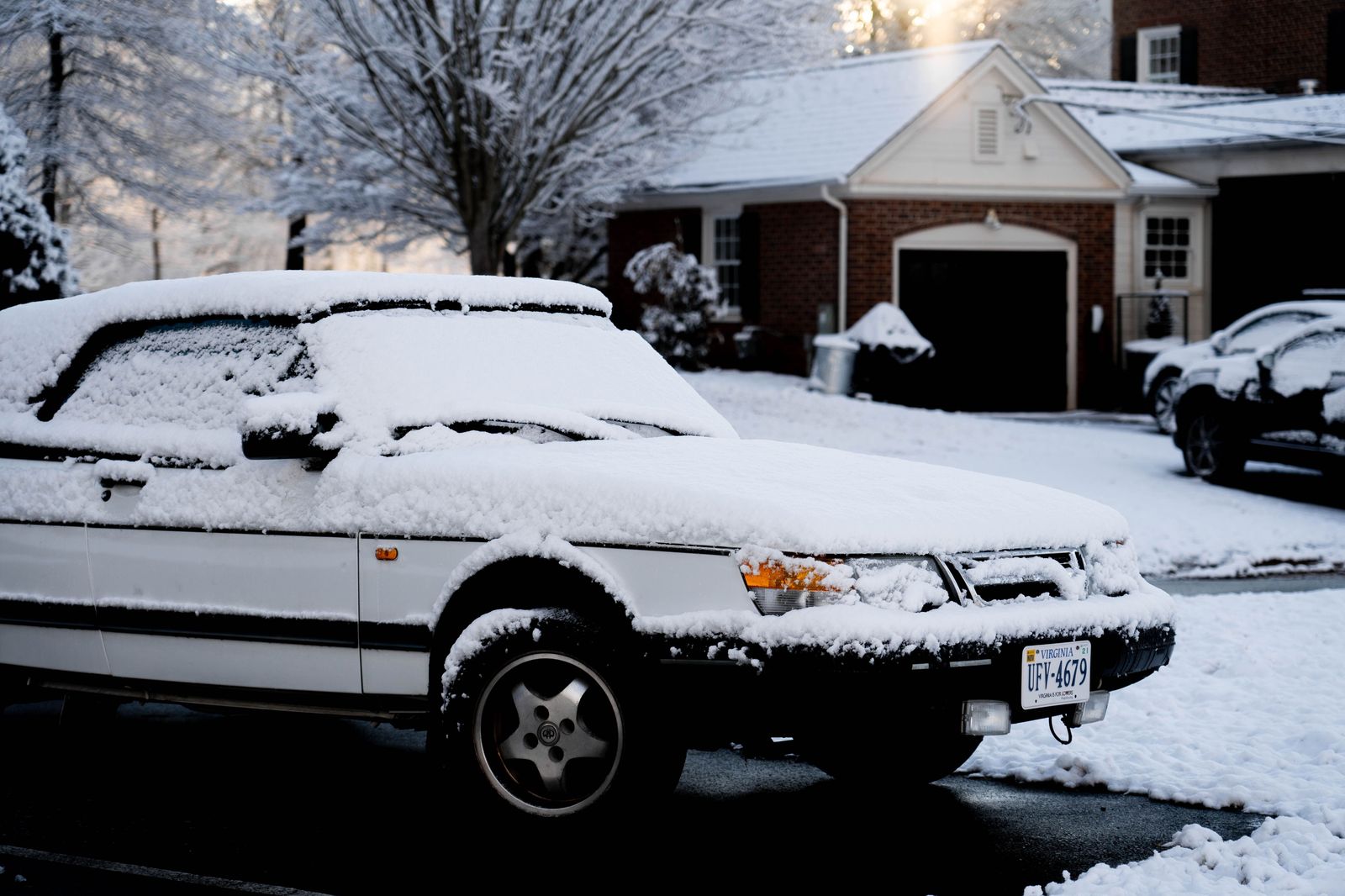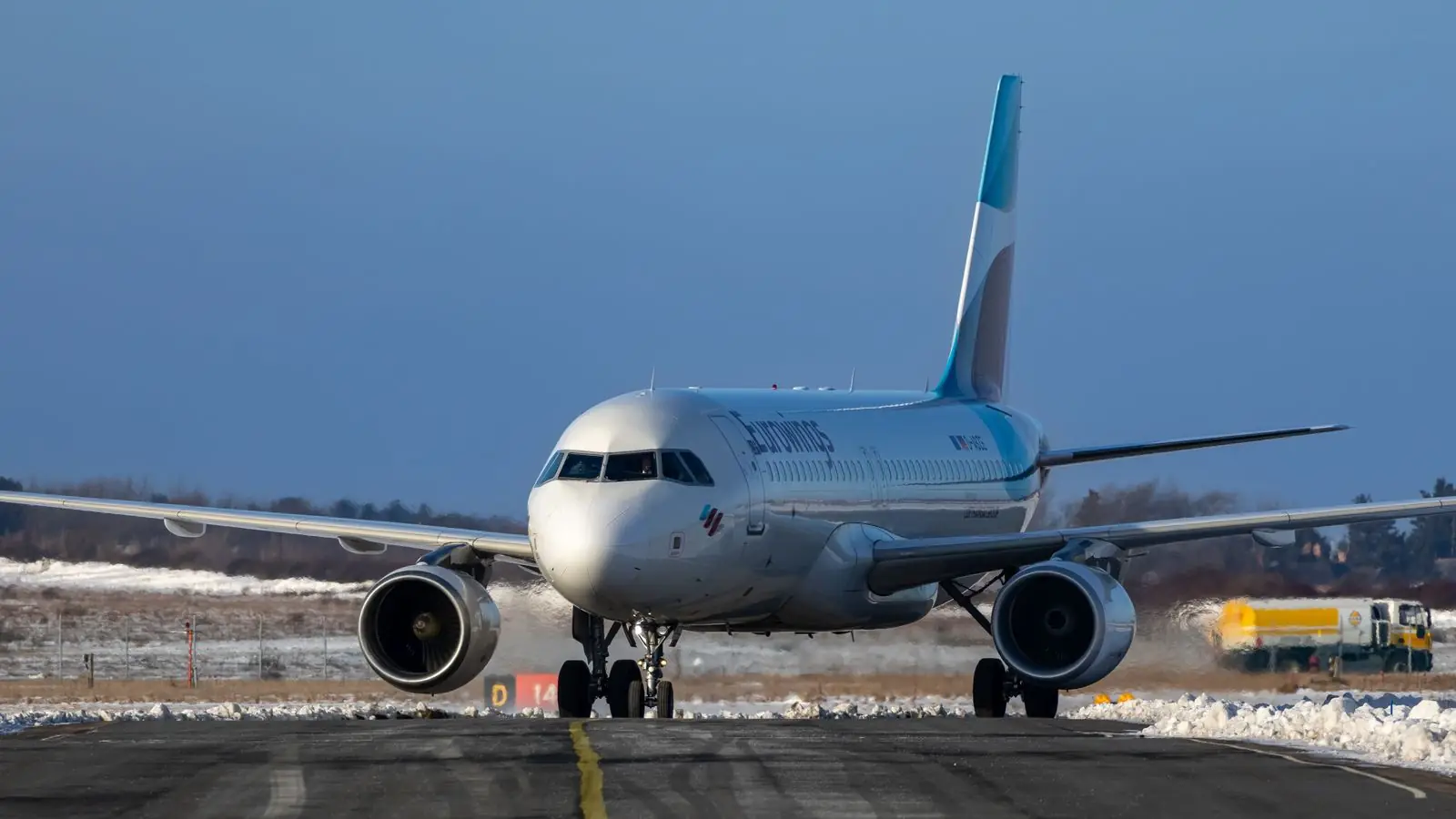









Highway 401 traffic through Durham slows on almost every winter weekday, but most days are manageable for a rested driver on winter tires. Hand over the keys when a squall warning is out, when you are tired, when a flight will not wait, or when the driver has never handled lake-effect snow. Travelling light to Toronto? The GO train sidesteps the road entirely. Otherwise, book a chauffeur.
How does Highway 401 traffic change in a Durham winter?
The pattern stays the same, it just stretches. Westbound mornings and eastbound evenings were already the busy directions between Pickering and the Don Valley Parkway; snow adds time at both ends and makes the shoulders of the day busier too. The road-by-road detail is in our Highway 401 and 407 winter travel guide for booked drives; this post is about the decision itself, and if you would rather not gamble, book a winter-ready chauffeur. What changes most is unpredictability. One collision in a squall can stop the collector lanes for an hour while the express lanes keep moving, or the other way round.
What are the signs it is time to hand over the keys?
Use this as a quick test the night before. If two or more apply, think seriously about someone else driving:
- Environment Canada has a snow squall or freezing rain warning for Durham or the GTA.
- You will be driving in the dark at both ends of the trip.
- You have a fixed deadline: a flight, a surgery appointment, a wedding.
- You have just finished a night shift or a long flight.
- The car is on all-season tires, or is not one you drive often.
- The driver is visiting from somewhere without lake-effect snow.
- You will be tempted to "make up time" because you left late.
Should a shift worker drive home at 7 a.m. in a squall?
Nurses finishing a night at Lakeridge Health, plant workers and first responders know this one. Fatigue and a white-out on the 401 near Courtice are a bad combination, and the morning commute is building in the other direction. On a storm morning, a booked car home is a few hundred dollars well spent; on an ordinary morning, a coffee and a slow drive may be fine. Be honest about which morning it is. The same applies to anyone coming off a long-haul flight with jet lag: collecting your own car from long-term parking and driving home through a squall after twelve hours awake is exactly the trip to hand over. A flight-tracked pickup means the car is there when you are, however late the plane lands.
What about an early flight from Pearson?
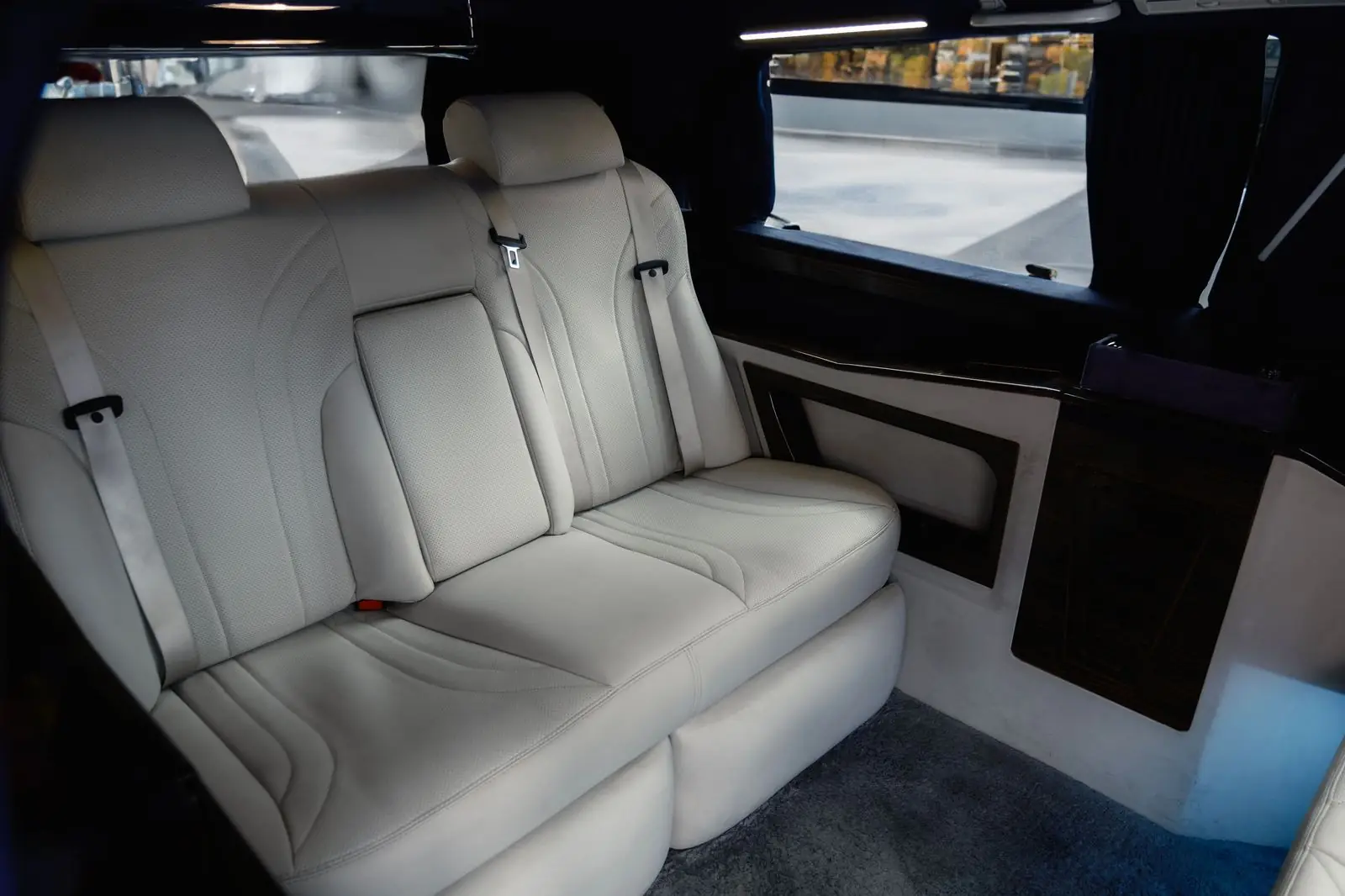
A 7 a.m. departure means leaving Oshawa around 3:30 or 4 a.m., about 85 km and 60–90 minutes in good conditions, plus winter margin. Early mornings are often the easiest winter driving of the day, but if the roads are bad, you are alone on them before the ploughs have finished. A chauffeur leaves earlier, you sleep in the back, and the fare stays fixed. Our early-morning flight planning post works through the timings.
Is the GO train better for a commuter on a squall afternoon?
Here the honest answer is often the train. The GO Transit Lakeshore East line runs between Oshawa and Union Station off the highway altogether, and VIA Rail calls at Oshawa station too. Trains have winter delays of their own, so check before you leave, but they do not care about a jack-knifed truck on the 401. If you have bags, children, a late return or a meeting that is not near Union, a car makes more sense.
Should a visiting relative drive in lake-effect snow?
A parent visiting from Florida or the UK in a rental car is the driver most at risk. Squalls off Lake Ontario arrive fast, with visibility dropping in a few hundred metres. Collect them from the airport with a chauffeur and save the rental for a clear day. Pickups are flight-tracked, and meet and greet inside arrivals can be added on the booking form.
How should a student get home for the holidays?
Ontario Tech and Durham College students heading to Ottawa or Montreal at the end of term often travel in the stormiest stretch of December. VIA Rail from Oshawa station is a sound budget choice for one student with a suitcase. For a parent collecting a student with a semester's worth of belongings, a business SUV makes one trip of it.
What does the province advise every driver?
The province's winter driving page is worth reading before the season starts. It notes that winter tires can shorten braking distances by as much as 25 per cent, that you should never try to pass a snowplough while it is working, and that you should check road conditions before leaving. The province's Ontario 511 service shows closures, cameras and road conditions, and Environment Canada issues the warnings.
Does switching to the 407 help, and what does it cost?
Sometimes it helps, because the 407 carries fewer trucks. Through Durham it is also free: according to the province's cost-of-living page, tolls were removed from Highway 407 East on June 1, 2025, and from the Highway 412 and 418 connectors in April 2022. West of Brock Road the privately run 407 ETR is still tolled. On our bookings, tolls on the planned route are already inside the fixed fare, so the chauffeur chooses the road on conditions, not cost.
What does driving yourself really cost on a bad day?
More than fuel. There is airport parking for the length of the trip, the time spent clearing the car at both ends, the stress of the drive, and the risk of an insurance claim after a slide into a ditch on an off-ramp. None of that appears on a fare comparison, but all of it is real. For a long trip, the Pearson round-trip package is $730 + HST in a business sedan, both legs.
| Winter trip from downtown Oshawa | Distance | Normal drive | Business sedan | Business SUV |
|---|---|---|---|---|
| Lakeridge Health or Oshawa Executive Airport | up to 10 km | 10–15 min | $150–175 | $190–220 |
| Union Station, downtown Toronto | 60 km | 50–75 min | $320–370 | $410–480 |
| Billy Bishop (YTZ) | 64 km | 55–80 min | $350–405 | $460–530 |
| Peterborough | 75 km | 55–65 min | $360–415 | $470–540 |
| Toronto Pearson (YYZ) | about 85 km | 60–90 min | $360–415 | $470–540 |
Planning ranges, all-in plus HST; fares do not rise for weather, and the engine quotes your exact trip.
What does a chauffeur do differently on a snowy day?
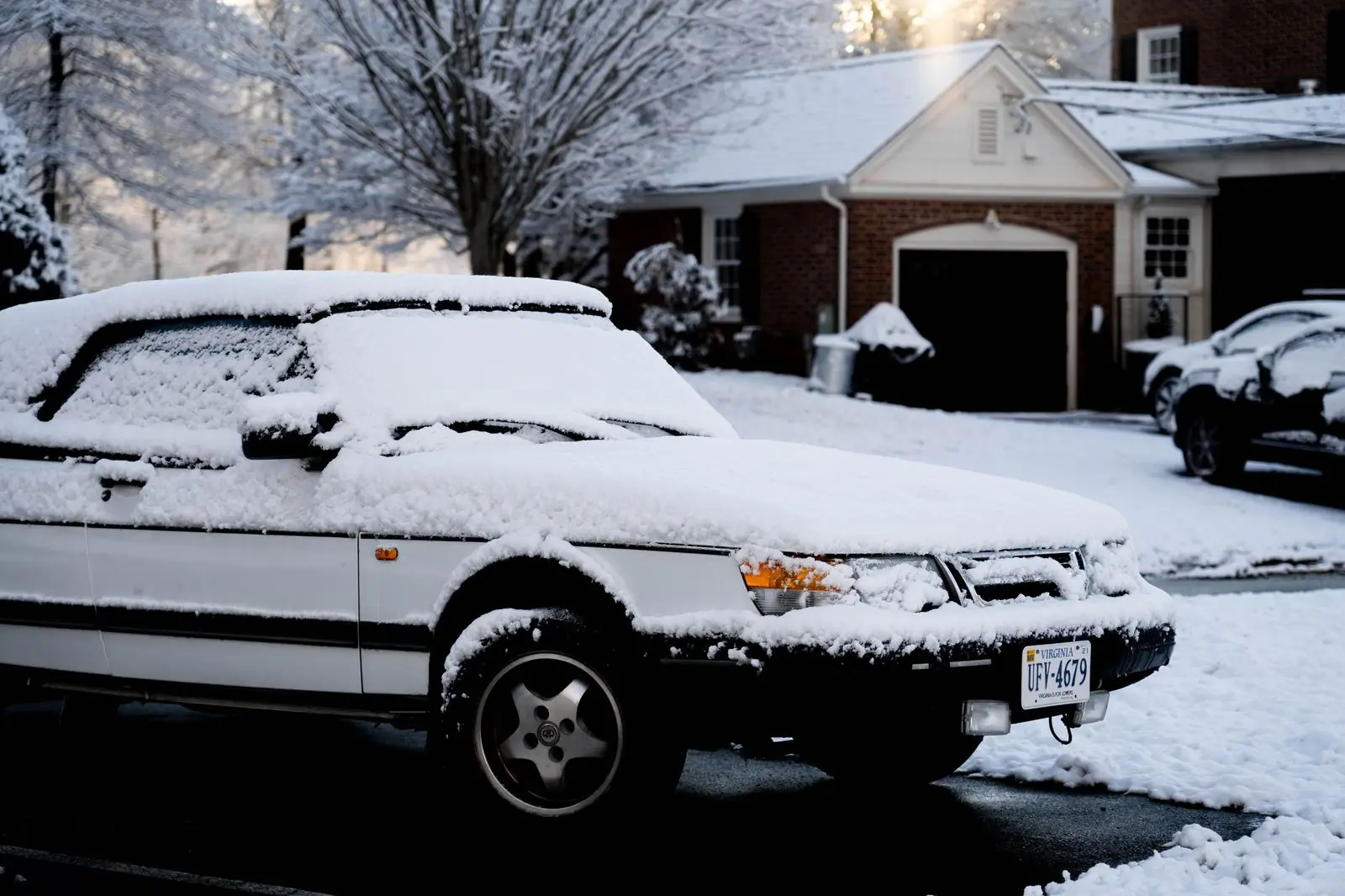
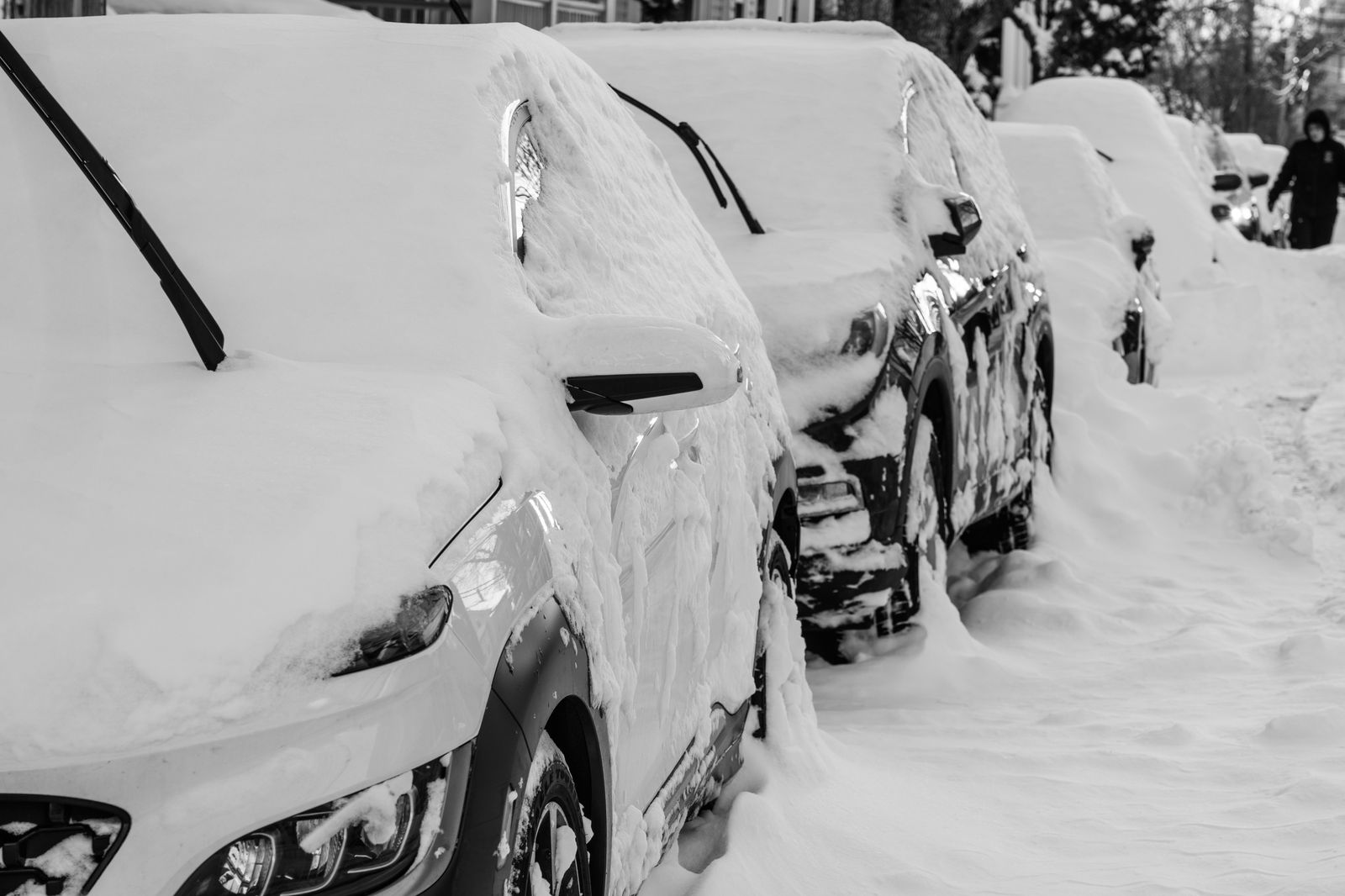
The car has been cleared and warmed before it reaches your door, so you do not scrape anything. It runs on winter tires, November to April. Dispatch looks at the road and the forecast the evening before and suggests an earlier pickup when the margin looks thin. On the road, the chauffeur leaves more space, stays behind working ploughs and does not try to recover lost minutes. Many clients choose a four-wheel-drive luxury SUV on storm days for the higher ride.
When should nobody drive at all?
When warnings are severe and the trip can wait. If the province is closing highways and police are asking people to stay home, the right answer is to postpone, and we will say so rather than send a car into it. For flights, check with the airline first; our post on Pearson delays in snow covers rebooking. The travel desk can help change flights and hotels.